
I don't think it's very talked about among carers, but the emotional element of dealing with something like that is tough, you're both people at the end of the day.
I started caring with my siblings when I was about nine, after my brother was born. My mum was originally diagnosed with Functional Neurological Disorder (FND). It's developed from there and we've had a lot more diagnosis along the way. My Mum now has diagnosis’ of fibromyalgia, complex PTSD with elements of BPD, and she has a heart condition aswell.
I also care for my youngest brother, who has just received his autism diagnosis, which we're very happy about as it provides some clarification for us.
Within my caring role, I do things like ‘childcare’, but to me that’s just caring for my brother. I do think of him like a son to be honest. I love him a lot and it's so nice to have seen him growing into the person he is now.
With my mum I provide emotional support, mental health support a lot of the time, physical support, though that has reduced down a bit as we've now got multiple PAs, which has been helpful.
I help with household things, helping with the cooking, helping my mum with forms, such as those for my brother's autism assessment, as that was big. I help with paperwork and bills, and managing medication is something we do quite a lot of.
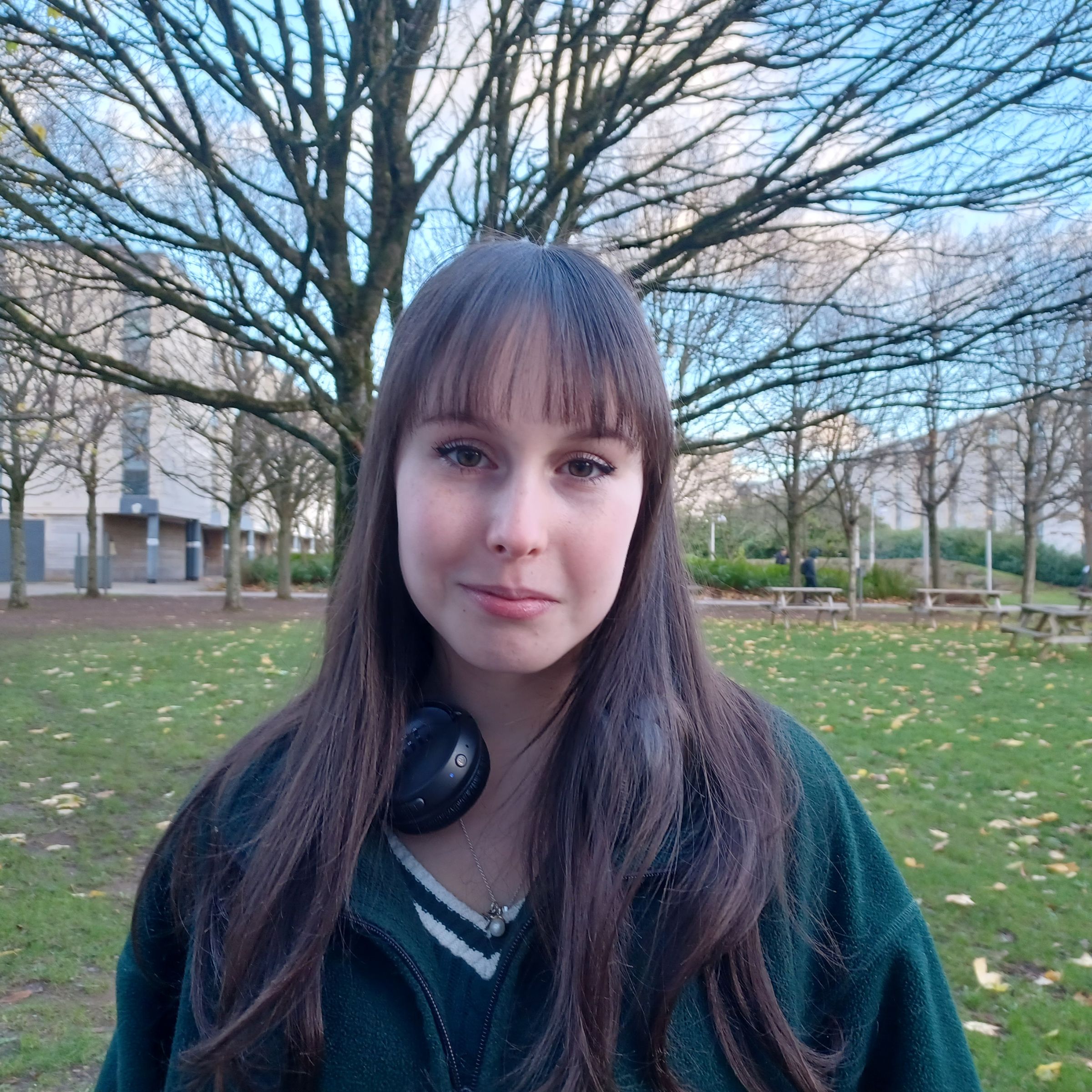
My role has changed quite a bit as I've grown up because my own life has changed. I've come into education a lot more, I’m quite academically focused. Managing different priorities, though, has been difficult.
Life can be very hard for us day to day and it’s tricky to predict because you can have days where Mum feels fine and the next minute she can be completely crashing which is very hard to deal with. This is why we're so close, and the emotional connection has always been a big thing for us.
Watching my mum struggle physically can be really hard mentally, especially with physical care, because it's about that trust between the two of you.
Life as a young carer
When I was younger, primary school age, I didn’t see myself as a young carer. I think a lot more people know about young carers now and it's a much bigger thing. I was one of those people who was achieving academically, I took care of myself, therefore everyone assumed I was fine. In schools, they don't always look beyond the surface. I went into a ‘mode’ at school – I’m physically there but my brain is thinking of home. More so now, because I have access to my phone, I support my mum via texting, and she can ask if I can come home. I want to make sure everyone's okay.
That role has transferred to other people, like checking in with my friends a lot to make sure that they're okay. I know that people can be going through things that are unseen, because I know that I've kind of masked everything I've been going through.
As I grew up, I was more able to have deeper conversations with friends, especially now because a lot of my friends are also studying psychology, so there's that level of comfort.
I'm not the type of person to go to other people for help. I internalise a lot, which can be frustrating, so as much as I have conversations, they're not necessarily frequent with friends. I do have a relationship and my boyfriend is incredibly supportive, which is good.
My journey with The Carers’ Centre
We got involved pretty early on, my Mum found out about it during the diagnosis process. Someone came around and I had a Young Carers Assessment, from then we came along to activities and sessions, day trips and all sorts.
I don’t do those so much anymore. When you're younger, it's a lot easier because you don't have anything else to worry about.
I've been doing advocacy with Leanna and the Young Carers Service for a while and with Young Carers Development Trust, which is another charity for slightly older young carers. We've been to London to the Department of Education and to Parliament, and I realised I really like advocating for young carers, coming together to share ideas and actually make a difference. I really enjoyed doing that because it's something that felt really impactful but also really natural because I like talking about my experience and bringing awareness of the full spectrum of experiences carers have, and sharing the best ways to support us.
It's a nice thing to go and connect with other young carers as well. Leanna and I went to the Department on Education and spoke to them about how schools can best support and understand the experience of a young carer.
It's quite a big thing to me, representing the multiple experiences that people can go through, sharing and trying to get the best that we can for anyone who is a young carer or has experienced anything like that. It's really important and it needs much more representation than it already has.
Another big part of it is also trying to get other young people who might not recognise themselves as a young carer at the moment, helping them to realise their role and understand it better, as a lot of people won’t recognise it.
I know a lot of people who work at The Carers’ Centre have or have had caring experience, and for young carers especially, you can really relate to each other, and I think that's really nice.
What The Carers’ Centre has meant for me
When I was younger, having the activities was incredibly supportive because it gave me that outlet away from my role. It gave me time with my siblings to be more of a kid to engage with other young carers.
As I started coming along to Young Carers Council, it became an absolutely amazing place to go and talk with other people about what they're experiencing because for a start, there were other carers around my age who were moving into their GCSEs. So we would all discuss that as well. Coming together to talk about raising awareness of caring gave me a real place to focus on my valuable experience.
It helped me to manage a part of my identity, in a sense, it helped me to feel proud of myself.
My message to other young carers
To any others who are caring for loved ones, we are all here for you. We understand what you are going through, we want to be here for you and we want to see you end up somewhere you’re really happy.
You’ll experience a sense of community, you’ll find out who you are and who you want to be. We’re all here for you and you are not limited in what you can achieve – The Carers’ Centre will only open more doors for you. You will gain connection, motivation and identity.
How to get involved


